LOCAL/
07:43:05
LOCAL/
07:43:05
KOSHA
KOSHA
KOSHA
ui/ux designer
Role
Figma, Photoshop
Figma, Photoshop
Tools
Augtraveler
Client
2 Months
Timeline
SUMMARY
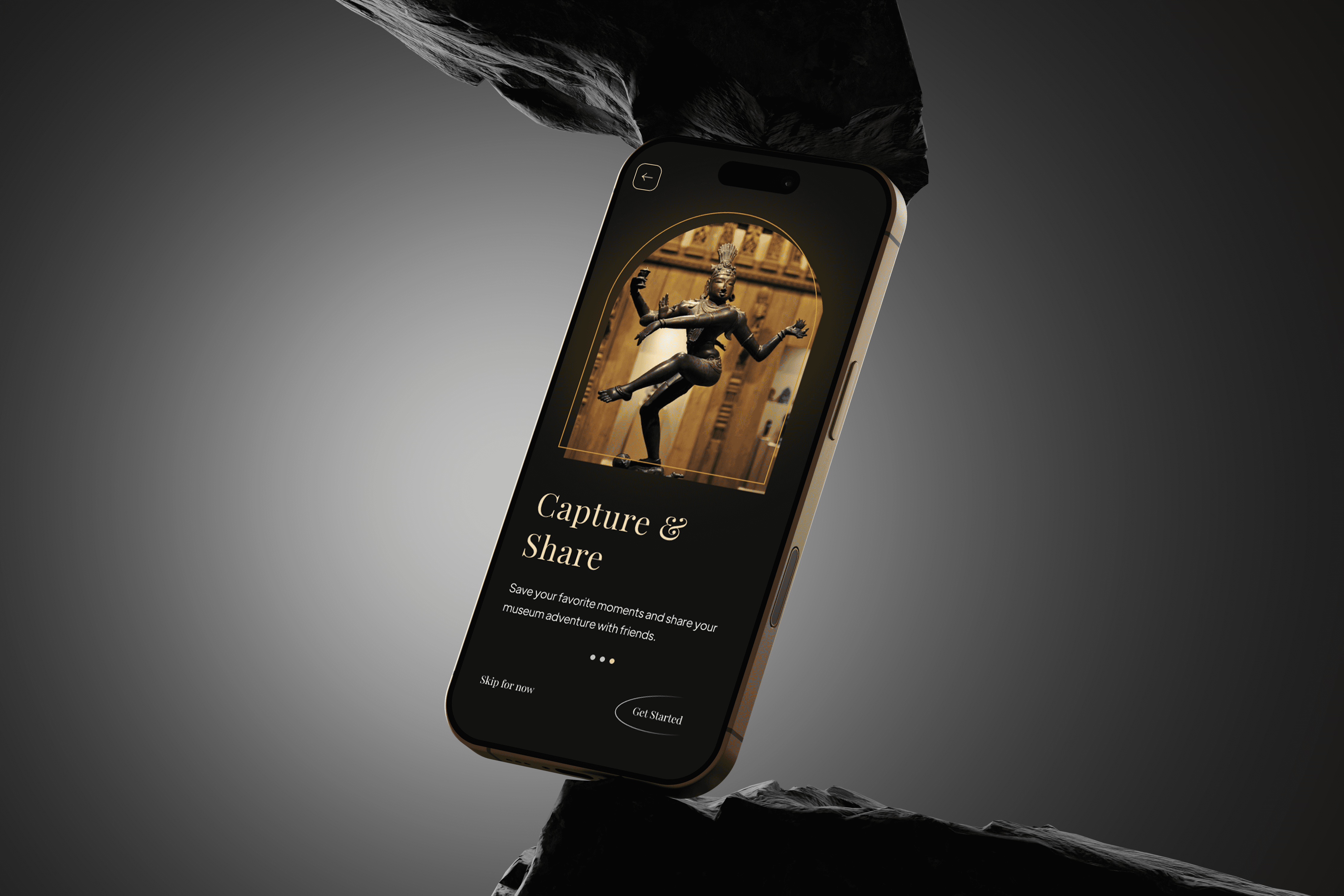
Kosha is an integrated AR museum app designed for visitors of renowned cultural institutions like the Bengal Museum. It transforms static artifacts into interactive stories through seamless QR scanning. The goal was to remove the barrier between the visitor and the exhibit, creating an effortless system that allows users to stay immersed, curious, and informed without the friction of traditional museum guides.
Kosha is an integrated AR museum app designed for visitors of renowned cultural institutions like the Bengal Museum. It transforms static artifacts into interactive stories through seamless QR scanning. The goal was to remove the barrier between the visitor and the exhibit, creating an effortless system that allows users to stay immersed, curious, and informed without the friction of traditional museum guides.
BRIDGING THE GAP
Most museum experiences fall into two extremes: 1. Feature-heavy audio guides that are clunky and expensive. 2. Basic placards that lack depth and interactive storytelling. This leaves a gap for users who want: → A simple, immersive, and tech-forward discovery experience. Kosha was designed to bridge this gap by focusing only on what matters during a museum visit: the connection between the viewer and the art.
Most museum experiences fall into two extremes: 1. Feature-heavy audio guides that are clunky and expensive. 2. Basic placards that lack depth and interactive storytelling. This leaves a gap for users who want: → A simple, immersive, and tech-forward discovery experience. Kosha was designed to bridge this gap by focusing only on what matters during a museum visit: the connection between the viewer and the art.


THE REAL PROBLEM
The issue wasn't just a lack of information—it was engagement. Users constantly: 1. Miss the historical context behind complex artifacts. 2. Feel overwhelmed by the sheer volume of a large museum. 3. Struggle to find and book live events or workshops. The challenge was not to add more content—but to make the existing stories accessible and alive.
The issue wasn't just a lack of information—it was engagement. Users constantly: 1. Miss the historical context behind complex artifacts. 2. Feel overwhelmed by the sheer volume of a large museum. 3. Struggle to find and book live events or workshops. The challenge was not to add more content—but to make the existing stories accessible and alive.
STRATEGY & CONSTRAINTS
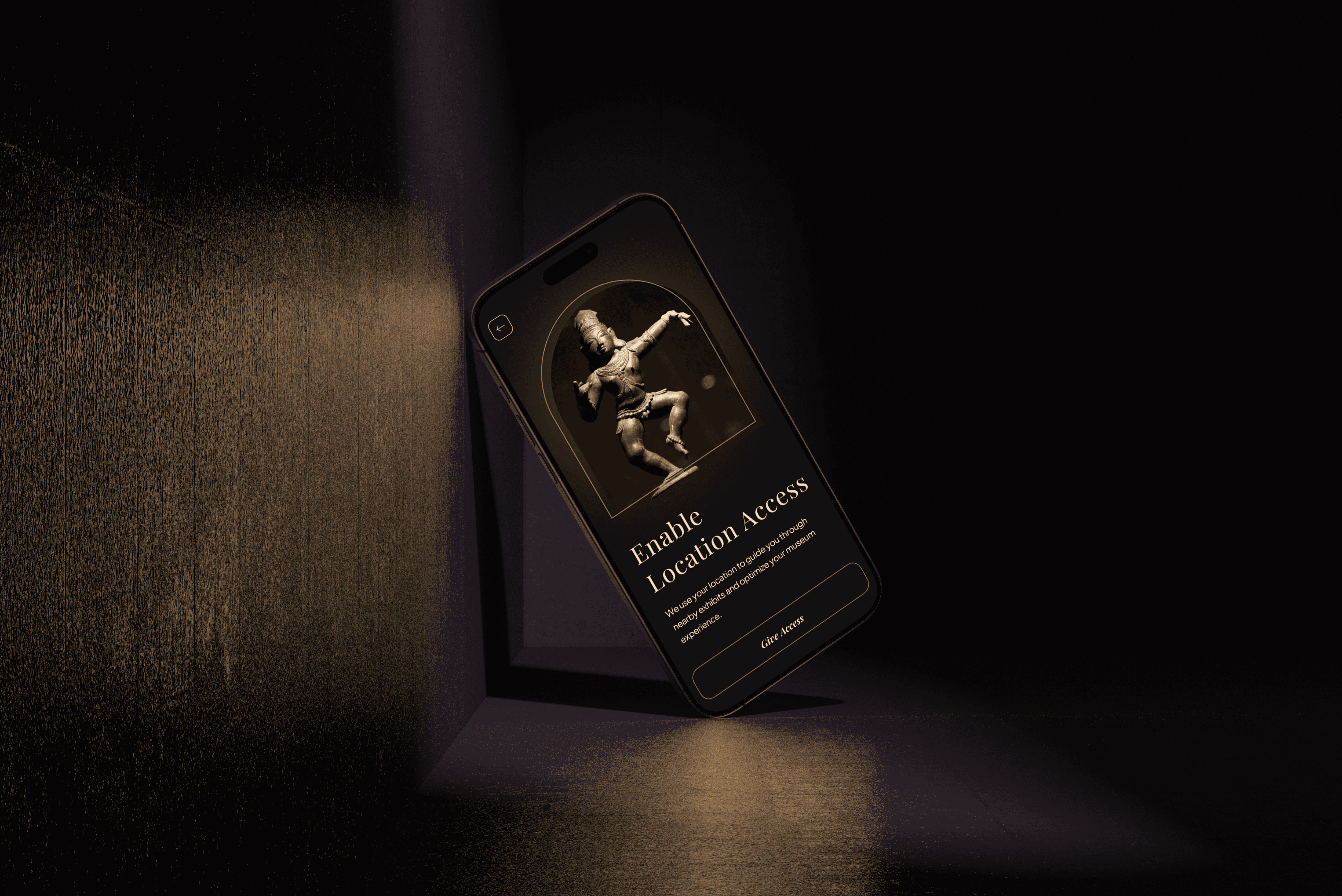
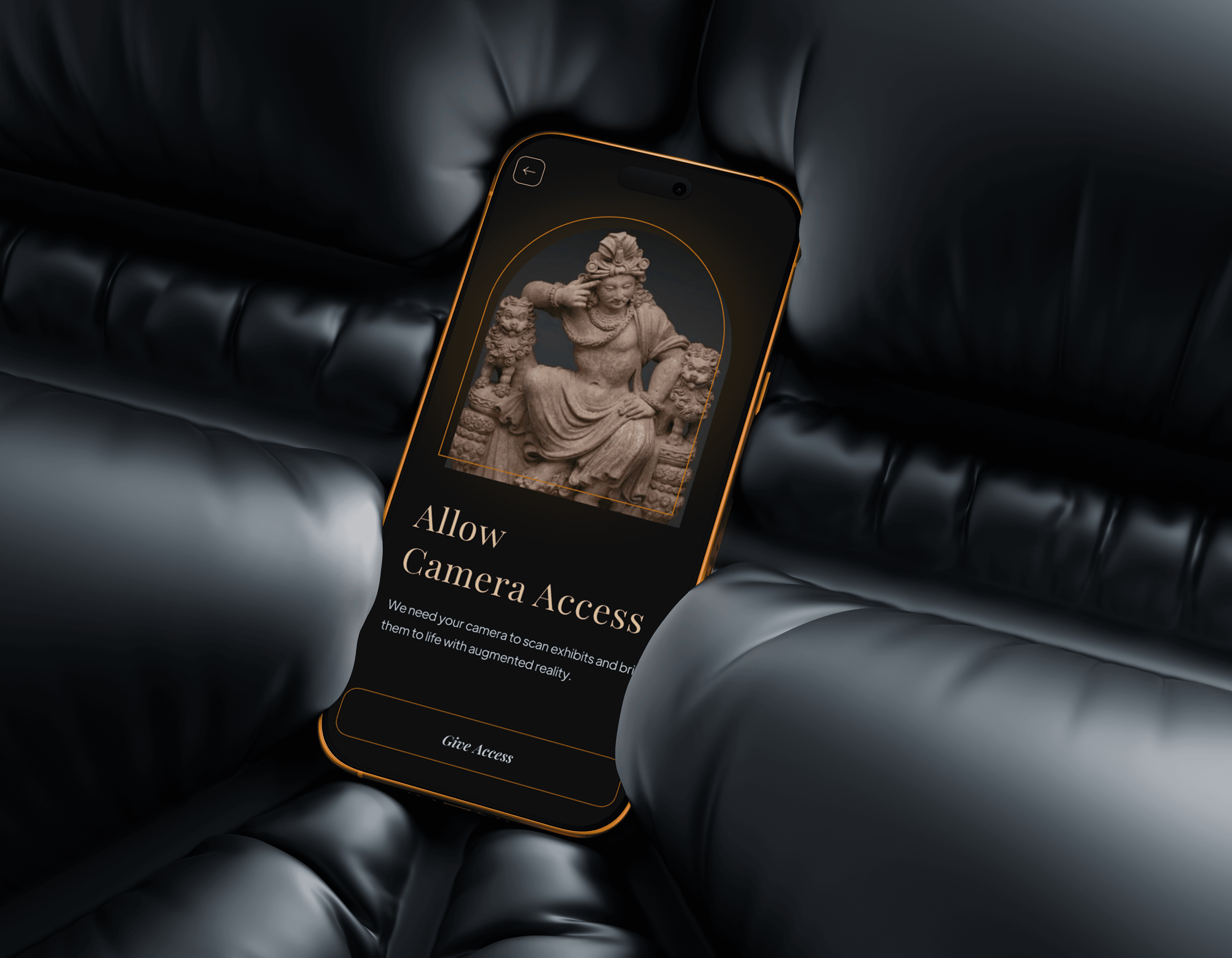
Museums are a unique environment: 1. Users are physically moving through space. 2. Attention is divided between the screen and the artifact. 3. Interaction tolerance is low; people want to look at the art, not their phones. This led to one key design principle: → Design for discovery, not distraction. Every decision was evaluated based on: 1. Does this deepen the cultural connection? 2. Does this keep users moving through the flow?
Museums are a unique environment: 1. Users are physically moving through space. 2. Attention is divided between the screen and the artifact. 3. Interaction tolerance is low; people want to look at the art, not their phones. This led to one key design principle: → Design for discovery, not distraction. Every decision was evaluated based on: 1. Does this deepen the cultural connection? 2. Does this keep users moving through the flow?
//
DESIGN PROCESS
//
1
Understanding the Problem
I define the core problem by identifying user pain points, context, and gaps in existing solutions.
2
Exploration & Solutioning
I explore multiple approaches and refine the most effective solution based on usability, feasibility, and impact.
3
Design & Iteration
I translate ideas into polished designs and continuously refine them through feedback to ensure clarity and usability.
DESIGN PROCESS
//
1
Understanding the Problem
I define the core problem by identifying user pain points, context, and gaps in existing solutions.
2
Exploration & Solutioning
I explore multiple approaches and refine the most effective solution based on usability, feasibility, and impact.
3
Design & Iteration
I translate ideas into polished designs and continuously refine them through feedback to ensure clarity and usability.
//
DESIGN PROCESS
//
1
Understanding the Problem
I define the core problem by identifying user pain points, context, and gaps in existing solutions.
2
Exploration & Solutioning
I explore multiple approaches and refine the most effective solution based on usability, feasibility, and impact.
3
Design & Iteration
I translate ideas into polished designs and continuously refine them through feedback to ensure clarity and usability.
REDUCING COGNITIVE LOAD
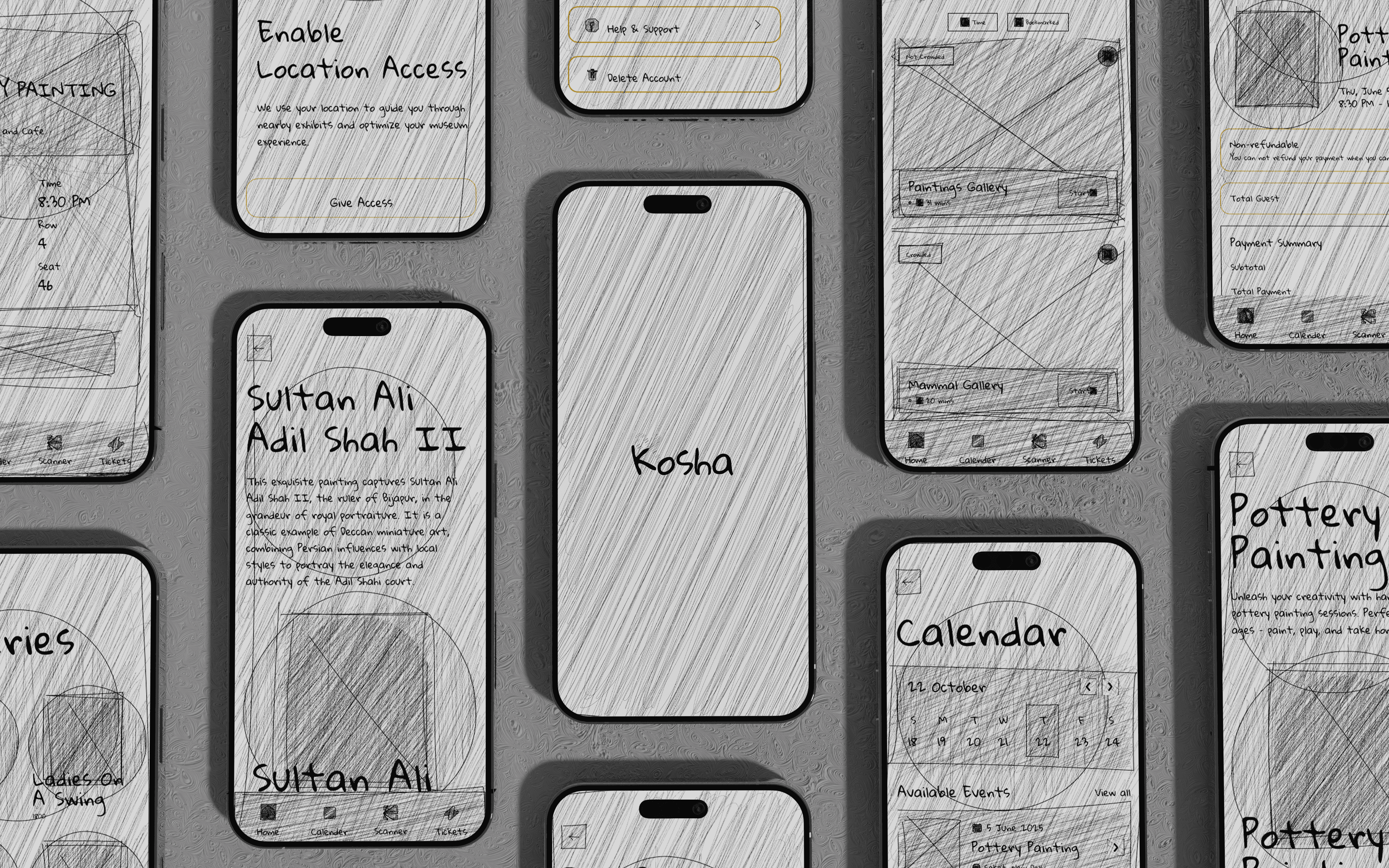
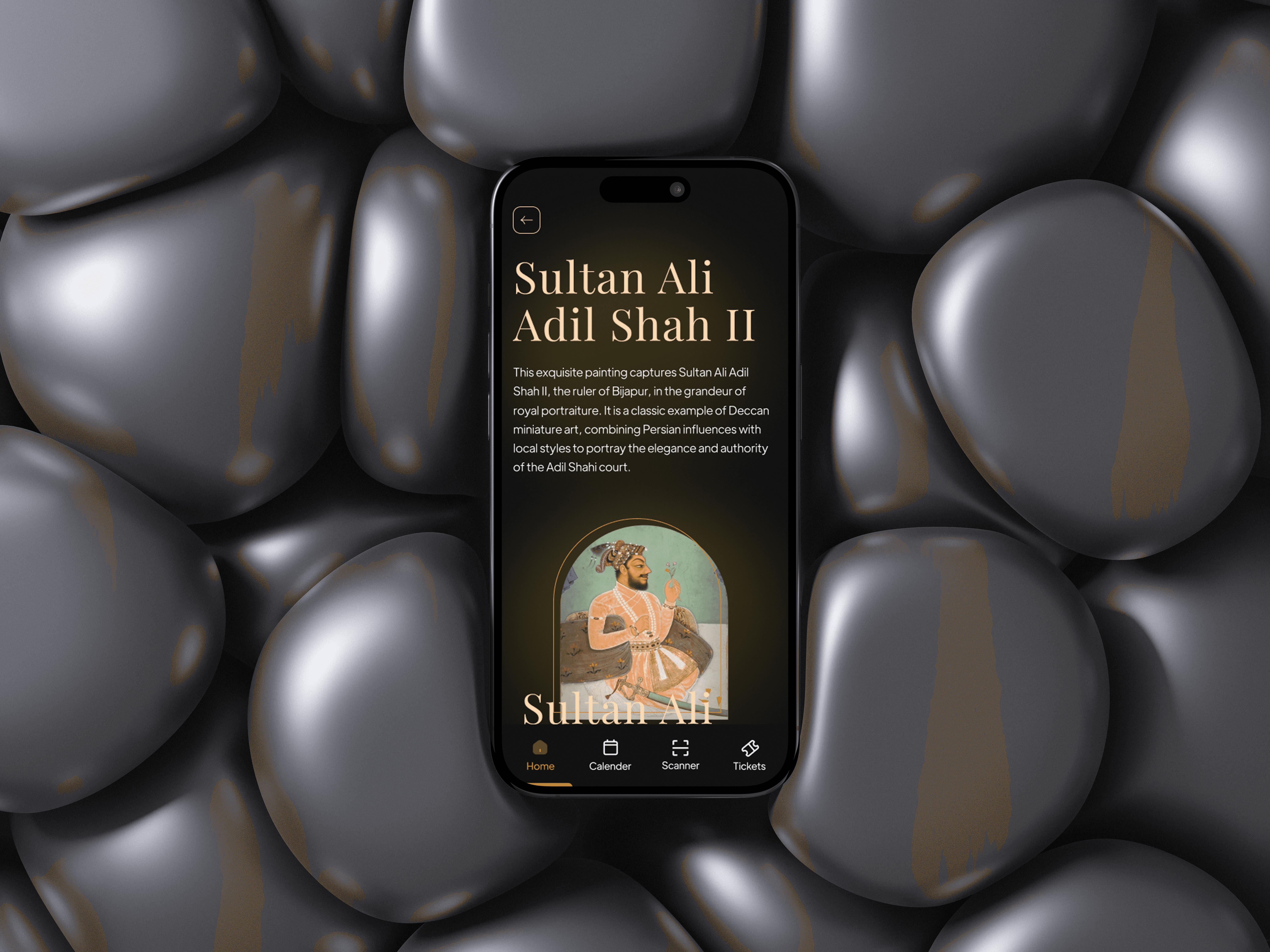
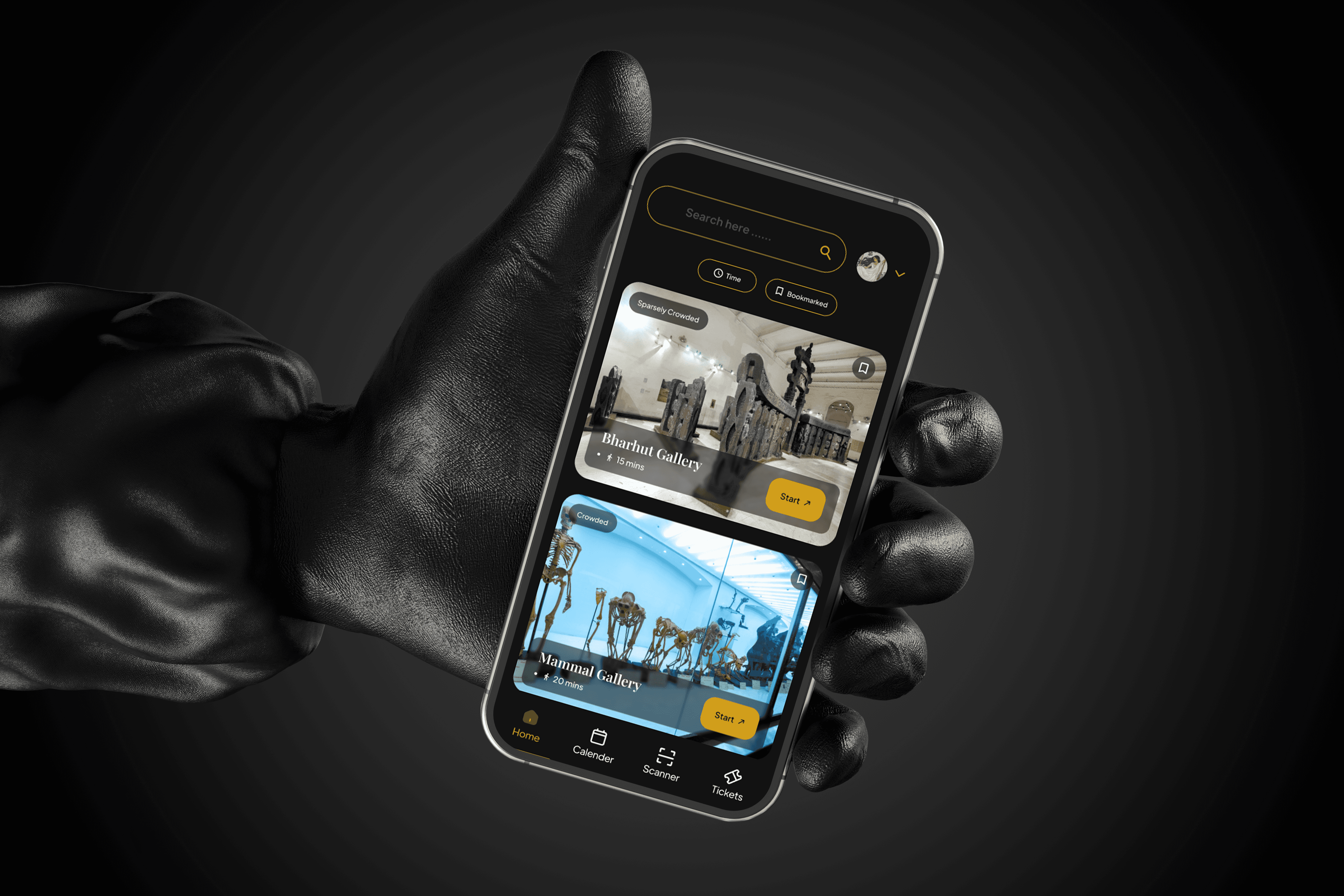
Traditional guides require manual searching and heavy reading. To address this, exhibit details are unlocked instantly via QR scanning, and wayfinding is handled passively with crowd-density indicators for each gallery. The experience shifted from active searching to passive discovery.
Traditional guides require manual searching and heavy reading. To address this, exhibit details are unlocked instantly via QR scanning, and wayfinding is handled passively with crowd-density indicators for each gallery. The experience shifted from active searching to passive discovery.
DESIGNING THE CORE LOOP
Instead of designing features, I focused on the visitor's journey. The entire experience was built around one loop: Explore → Scan → Discover → Book. Each step was simplified to remove navigation friction and maintain the "museum mood" with a dark, elegant UI.
Instead of designing features, I focused on the visitor's journey. The entire experience was built around one loop: Explore → Scan → Discover → Book. Each step was simplified to remove navigation friction and maintain the "museum mood" with a dark, elegant UI.

DEFINING THE SYSTEM
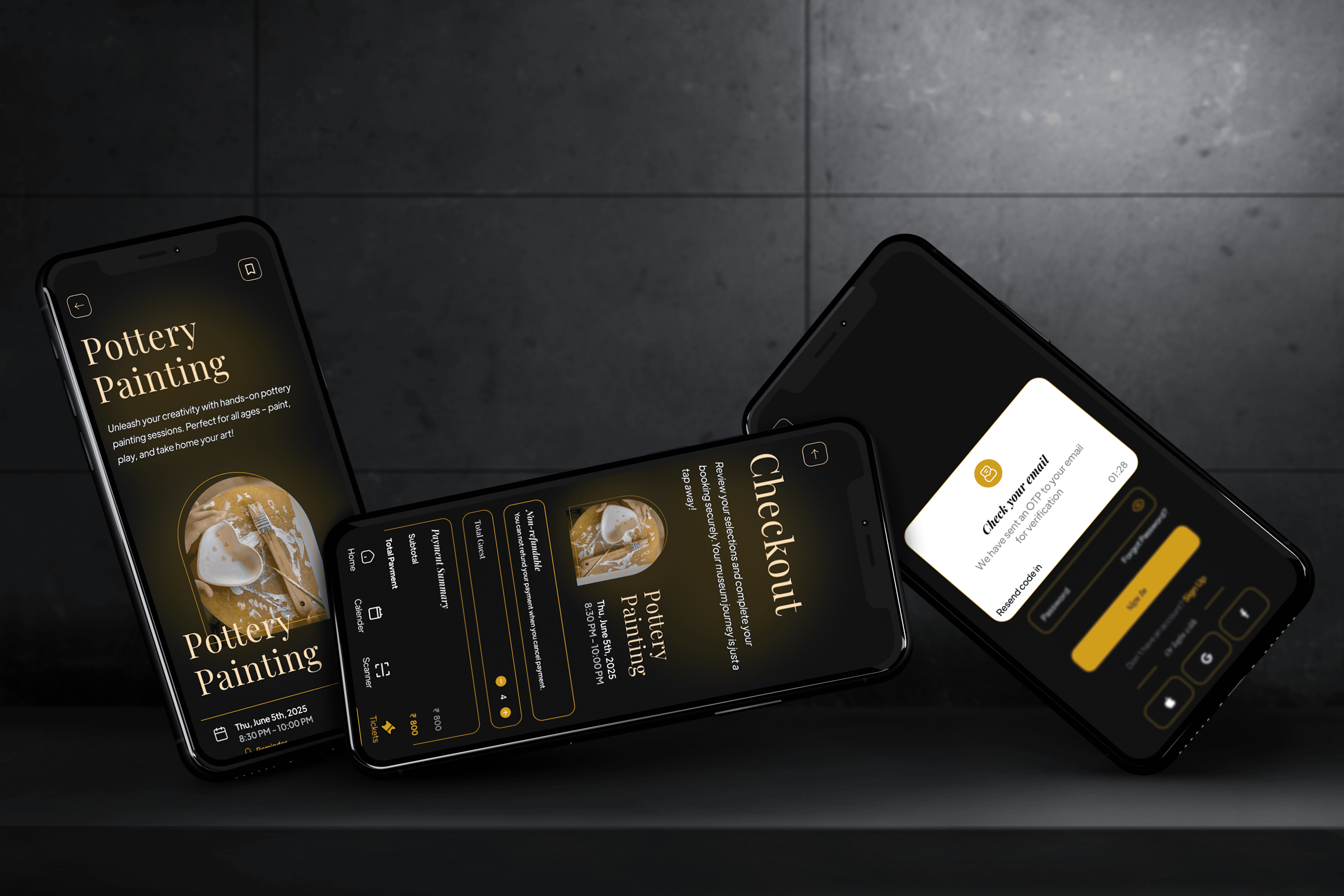
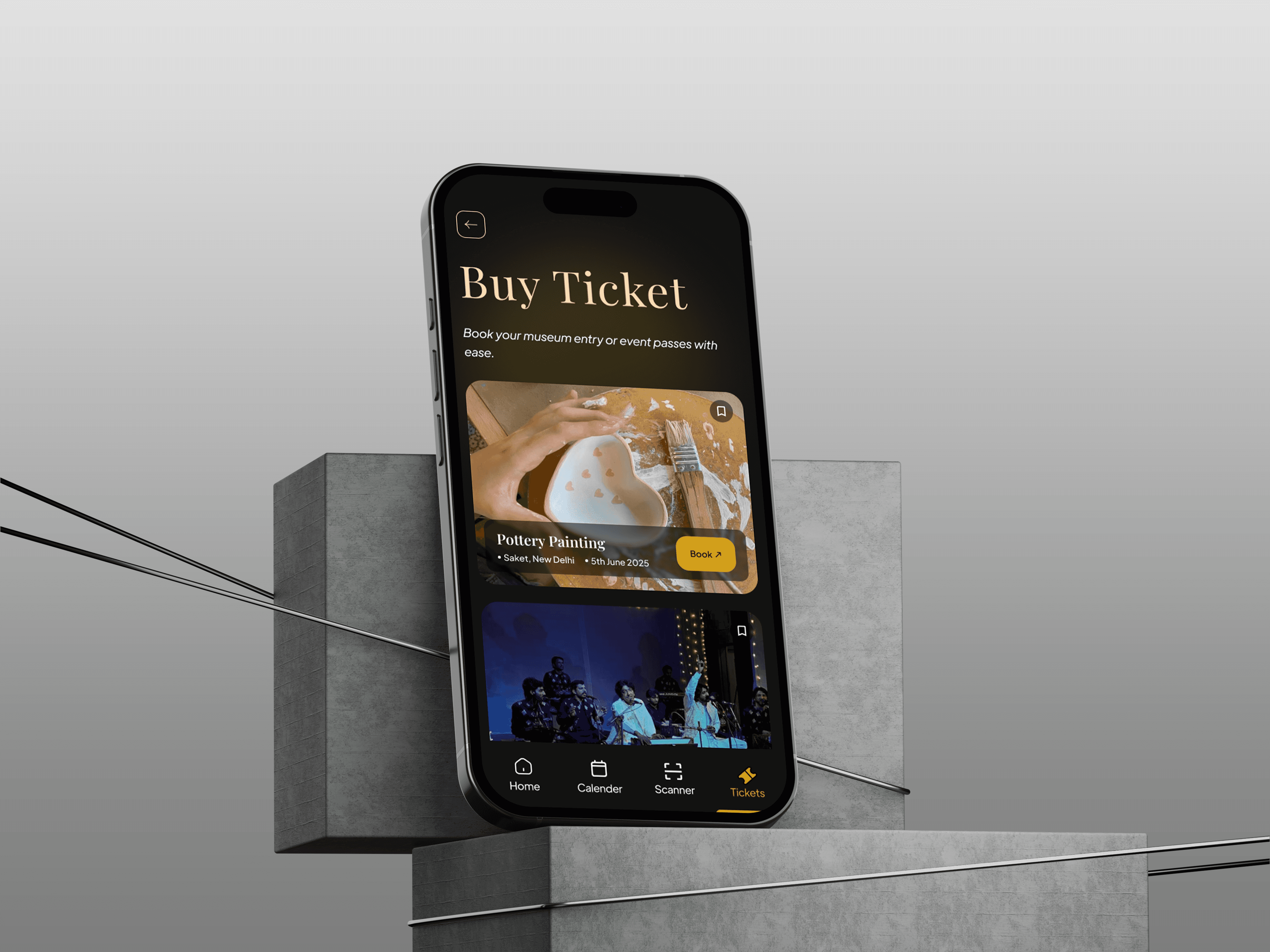
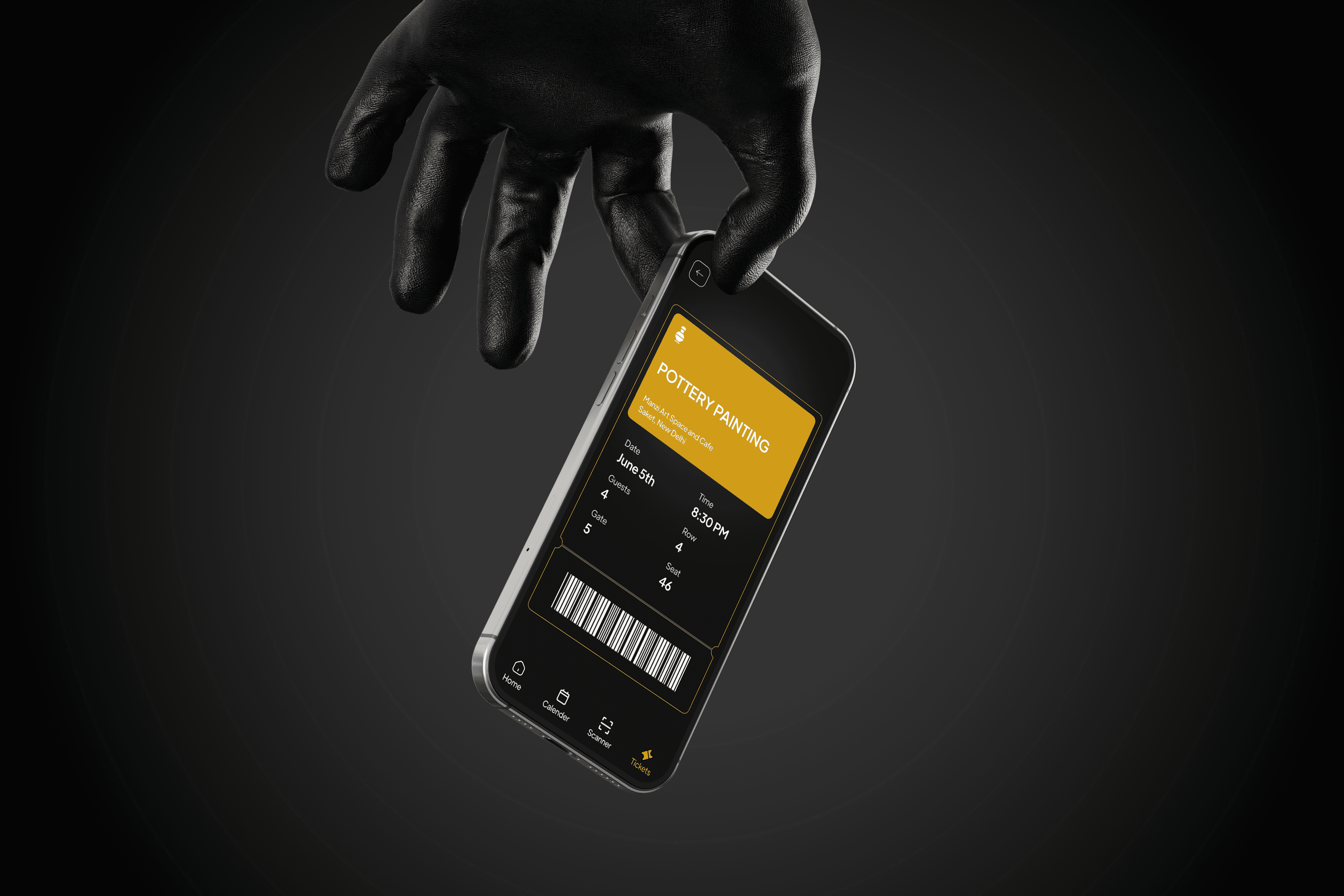
Kosha was designed as a connected ecosystem: The Discovery Layer: 1. Live gallery status (Crowded/Sparsely Crowded). 2. "Hidden Stories" unlocked via AR. The Utility Layer: 1. Frictionless ticket booking for workshops like Pottery or Qawali Night. 2. Digital QR tickets for seamless entry.
Kosha was designed as a connected ecosystem: The Discovery Layer: 1. Live gallery status (Crowded/Sparsely Crowded). 2. "Hidden Stories" unlocked via AR. The Utility Layer: 1. Frictionless ticket booking for workshops like Pottery or Qawali Night. 2. Digital QR tickets for seamless entry.

FROM CONCEPT TO EXPERIENCE
The final experience focuses on prestige and clarity. It utilizes a minimal interface with a serif-heavy aesthetic and AR visuals that overlay context without obscuring the physical art. Every interaction was designed to feel elegant, fast, and invisible.
The final experience focuses on prestige and clarity. It utilizes a minimal interface with a serif-heavy aesthetic and AR visuals that overlay context without obscuring the physical art. Every interaction was designed to feel elegant, fast, and invisible.
IMPACT
Kosha transforms the museum visit from a passive walk into a seamless, interactive journey. 1. Eliminates the need for physical brochures. 2. Reduces cognitive load through "Scan-to-Story" tech. 3. Improves museum revenue through integrated event booking.
WHAT THIS PROJECT SHOWS
1. Ability to integrate AR into functional UI. 2. System thinking across physical and digital spaces. 3. Expertise in high-end, minimalist aesthetic design.
FINAL REFLECTION
Kosha is not just a museum app. It is an attempt to preserve culture by making it interactive, ensuring that the stories of our past remain engaging and accessible for the visitors of today.